
A Holistic Approach To Curriculum
Admissions Open - Limited Seats
The Heartism Curriculum, developed by Nandini Santhanam, forms the foundation of learning at Samarpan. It is designed to honor each child’s natural rhythm, nurture emotional well-being, and build essential life skills in a way that is meaningful and practical.
At Samarpan, our programs are designed for children, with the long-term intention of helping them grow into confident individuals who can participate meaningfully in everyday life.
Our philosophy
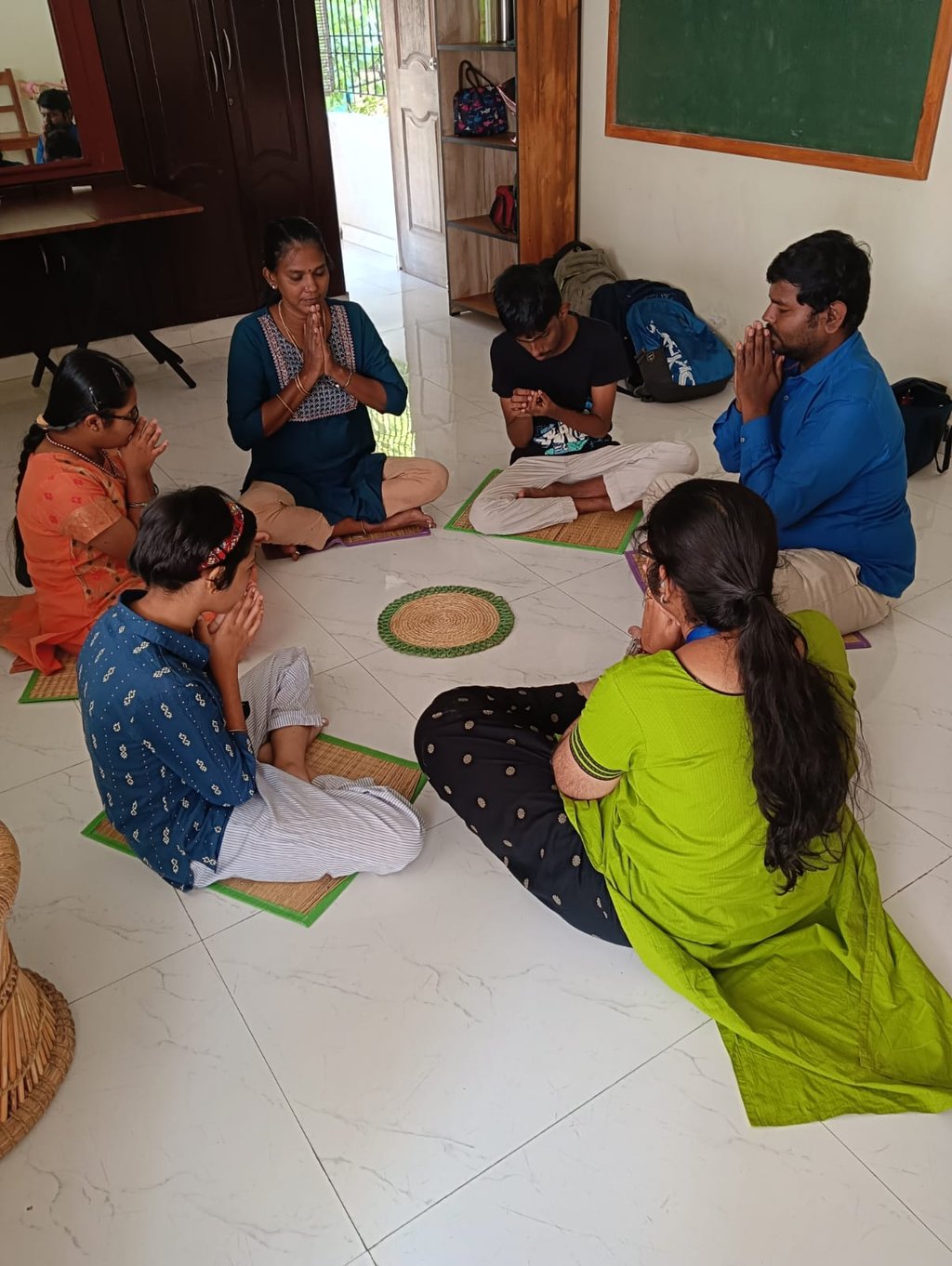
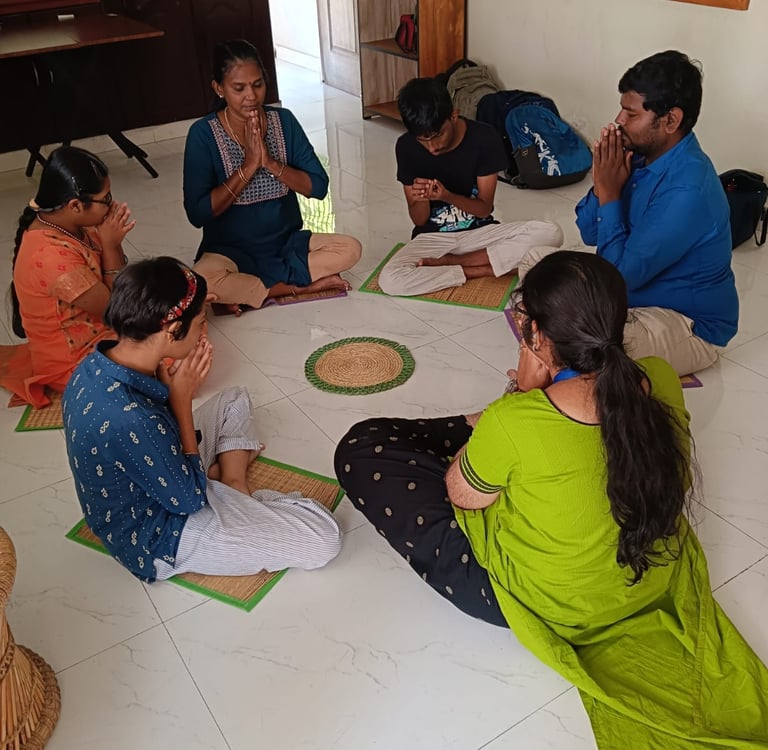
We believe confidence is the key lever for development. When children grow in a loving, respectful, and predictable environment, they feel safe to try, fail, and try again. From this inner confidence, "learning & sense of responsibility" naturally emerge.
How learning unfolds
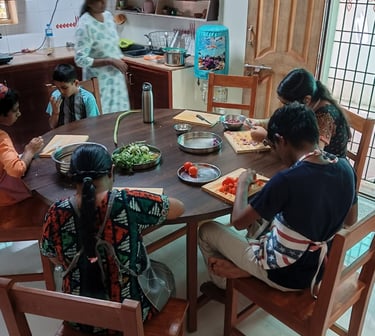
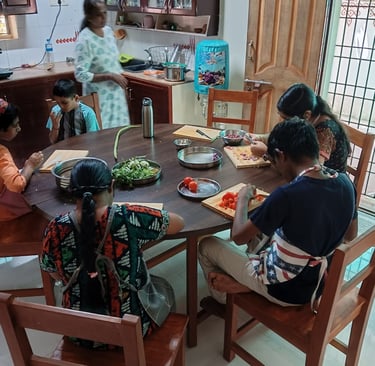
Learning at Samarpan is experiential and physical. Children engage in activities that are creative, recreational, utility-based, and vocational, allowing learning to happen through real doing rather than abstract instruction. Daily life skills such as self-care, cooking, cleaning, movement, communication, routines, and structured work help build attention, sequencing, emotional regulation, and pride.
Cultural, sensory, and emotional development
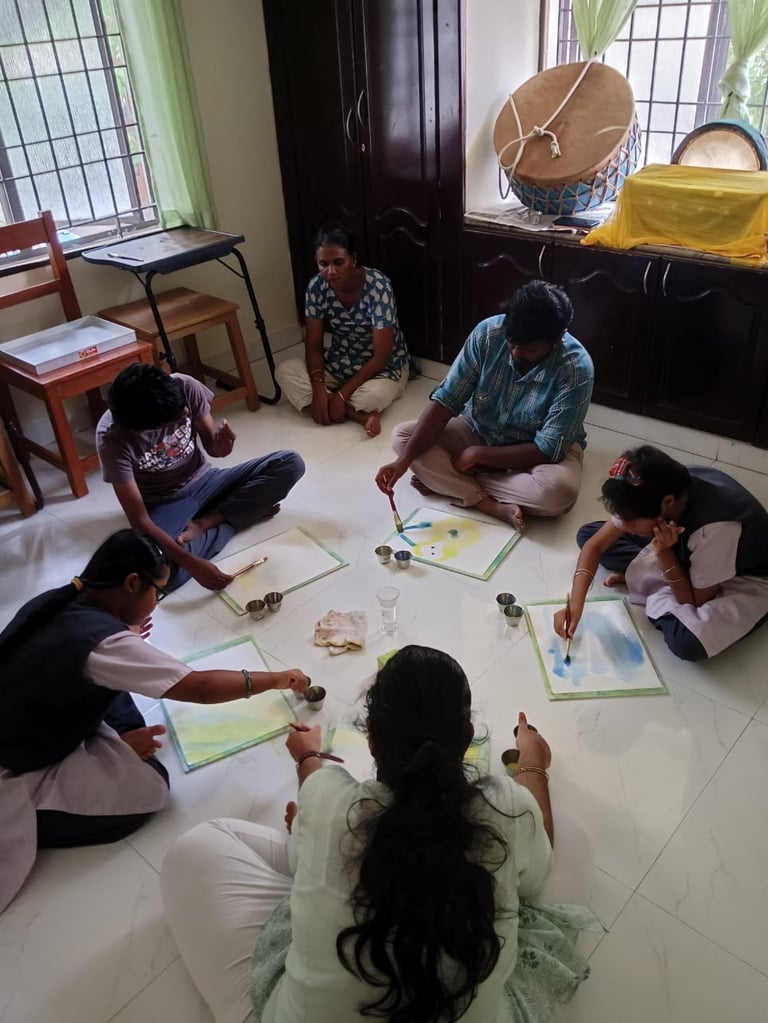
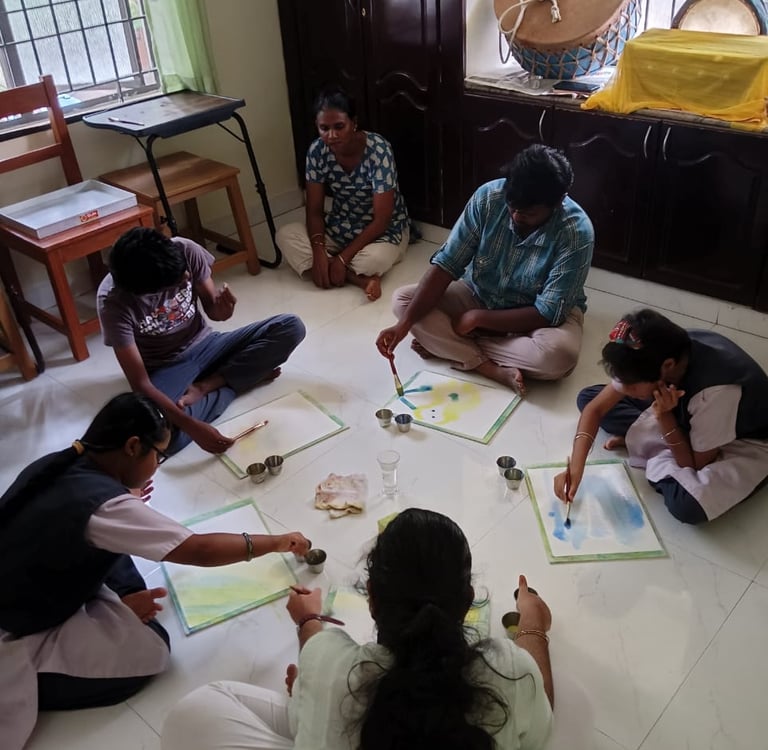
Children are introduced to culture through celebrations, festivals, storytelling, music, folk arts, and practices such as Kolam, which build rhythm, attention, aesthetic sense, and grounding. These activities are carefully chosen to support psychological well-being by providing structure, familiarity, and emotional safety. They also offer natural avenues for expressiveness, allowing children to communicate feelings, creativity, and inner states in non-verbal and verbal ways.
Vocational skills
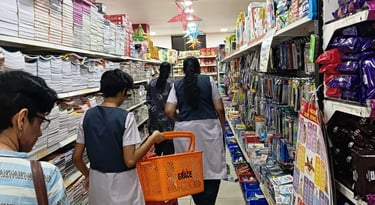
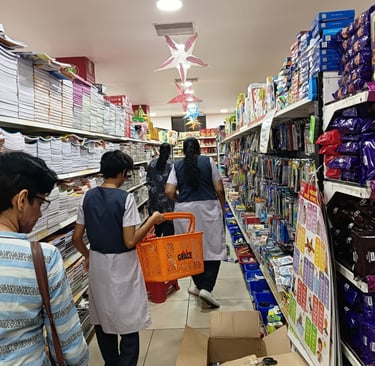
At Samarpan, vocational skills are introduced as meaningful work rather than training exercises. Children engage in activities such as retail assistance, weaving, food preparation, gardening, and basic technology use, where they can clearly see the outcome of their effort in the form of a finished product, a completed task, or a service rendered. This visibility builds pride, responsibility, and a sense of usefulness. Wherever possible, the work is connected to the world outside the centre, through interaction with real people, real spaces, and real needs, helping children understand that their abilities have value beyond the classroom and can find a place in the larger community.
Practical academics
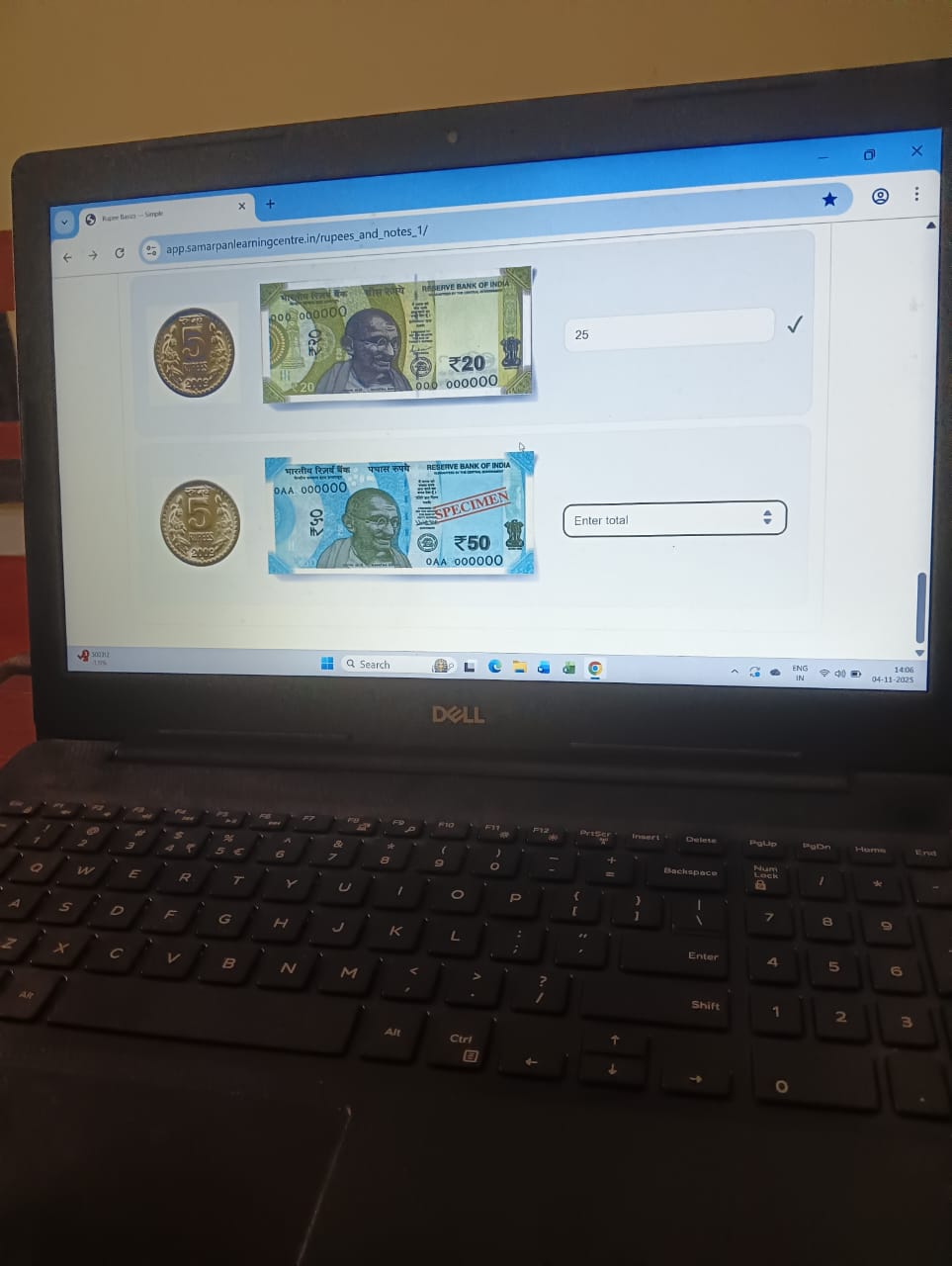
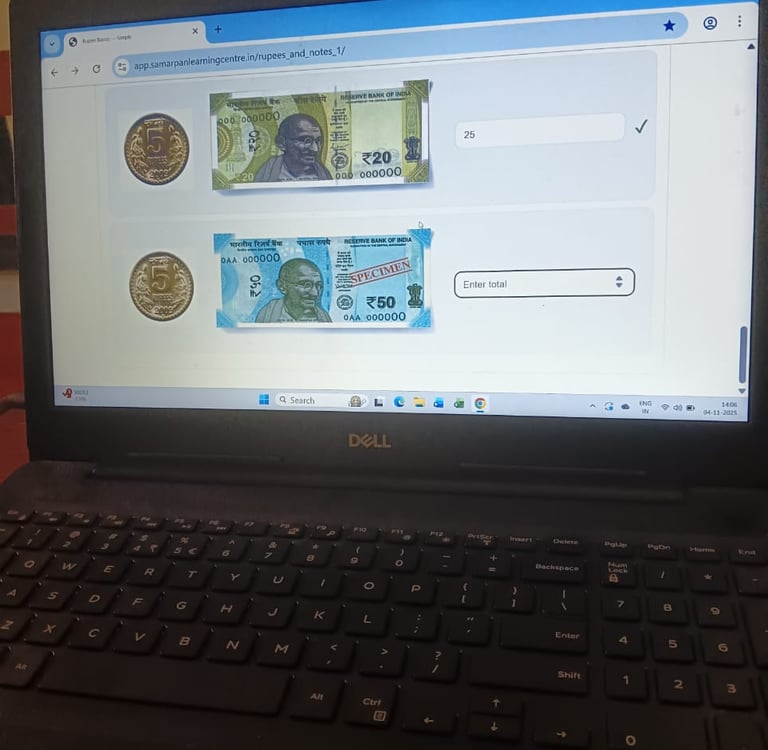
Our approach to academics is different from conventional classroom learning. Concepts such as counting, addition, handling money, reading, and basic writing are taught through everyday situations and real tasks, so children can directly apply what they learn in daily life. Computer skills are introduced in a functional manner, focusing on basic usage and technology familiarity needed for daily living and simple work contexts. Where required, we also create simple applications tailored to the specific learning needs of each child.
Sports, Fitness & Yoga
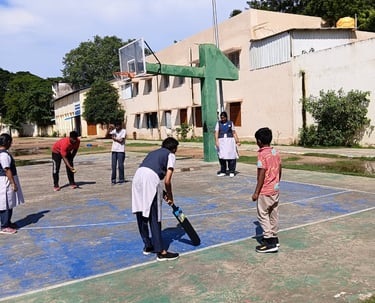
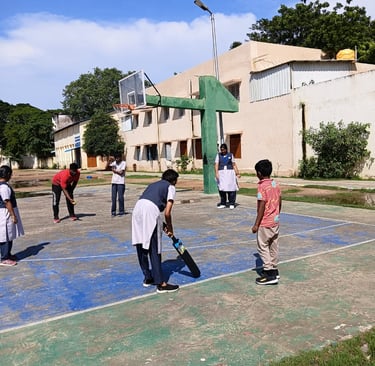
Sports and fitness activities support strength, coordination, balance, and stamina, while also building team spirit, cooperation, and the ability to work together toward a shared goal. Yoga is practiced as a calming and integrative discipline that helps children develop body awareness, flexibility, balance, and breath control. Through yoga, children learn self-regulation, focus, and relaxation, supporting both physical well-being and emotional stability in a gentle, non-competitive manner.
Learning beyond the centre
The outside world is an essential part of the curriculum. Children regularly visit supermarkets, parks, beaches, temples, and restaurants, where everyday situations become opportunities to practice social interaction, safety, money handling, decision-making, and confidence in public spaces.
Our highest endeavor must be to develop free human beings who are able of themselves to impart purpose and direction to their lives.
The need for imagination, a sense of truth, and a feeling of responsibility — these three forces are the very nerve of education.
Rudolf Steiner
CONTACT
Samarpan Learning Centre,
2/1, Ragavan Colony,
Ashok Nagar,
Chennai 600083
Call/Whatsapp: +918148496597
© 2025. All rights reserved.
QUICK LINKS
About Us
The Lotus Foundation
Samarpan Learning Centre
Our Team
Our Support Circle
Programs
Curriculum Approach
Programs Offered